Why Do Chips, Crackers, and Cereal Go Stale So Fast? (And How to Keep Them Crisp)
By GRIPSTIC Hawaii 4 min read
Short answer: Crisp foods go stale because they pull moisture out of the air. Once a bag is open, humid air softens chips, crackers, and cereal, and the oils in them slowly react with oxygen and start to taste flat. Squeeze out the air, fold the bag, seal it edge to edge, and keep it somewhere cool and dark.
Key takeaways
- Staleness in crisp snacks is mostly about moisture, not age.
- Oxygen, light, and heat make the oils in chips, nuts, and crackers taste stale or rancid over time.
- Stale food is usually a quality problem, not a safety one, but it's still money in the trash.
- A full-width airtight seal keeps humid air out far better than a clip or a rubber band.
- You can often recrisp stale chips and crackers in a hot oven for a few minutes.
Why do chips get soft after you open the bag?
Chips, crackers, and cereal are crunchy because they're very dry. Their structure stays crisp only while there's almost no water in it. The moment the bag is open, the snack starts absorbing moisture from the surrounding air, and the starches that make it crunchy turn soft and chewy.
That's why the same bag goes stale faster in some places than others. In a warm, humid kitchen, like most kitchens in Hawaii, there's more moisture in the air to absorb. Our Hawaii humidity guide covers how to store snacks in island weather.
Bread is the opposite. It goes stale mostly by drying out and by its starches firming up, a change that actually happens faster in the refrigerator. That's why bread keeps better at room temperature, sealed, or in the freezer, but not in the fridge.
What makes snacks taste stale or off?
Texture isn't the only change. Chips, crackers, nuts, granola, and coffee all contain oils, and those oils slowly react with oxygen. Light and heat speed the reaction up. Over time it produces the flat, cardboard-like or rancid flavor people call stale.
Snack makers fight this before you ever open the bag: many chip bags are filled with nitrogen instead of air, and many are lined with foil to block light. Once you open the bag, that protection is gone, and keeping oxygen out is up to you.
Is it safe to eat stale chips or cereal?
Usually, yes. The USDA Food Safety and Inspection Service explains that dates like Best if Used By on shelf-stable foods are about quality, not safety. A stale chip has lost its crunch, not become dangerous.
Throw it out if it smells rancid or sour, shows any mold, or has signs of pantry bugs. And remember that stale but safe still means you paid for food you didn't enjoy; the real cost of food waste adds up quickly.
How long does cereal stay fresh after opening?
Kansas State Research and Extension's pantry storage guide lists opened ready-to-eat cereal at about two to three months in the cupboard, and recommends refolding the inner liner tightly after each use. That's the key condition: those times assume the package is closed well. A box left open in humid air can go soft much sooner.
Chips and crackers follow the same rule. Their shelf life after opening depends far more on how well the bag is sealed and how humid the air is than on the date printed on it.
What's the best way to keep snacks crisp?
These habits make the biggest difference, in order:
- Press as much air out of the bag as you can before closing it.
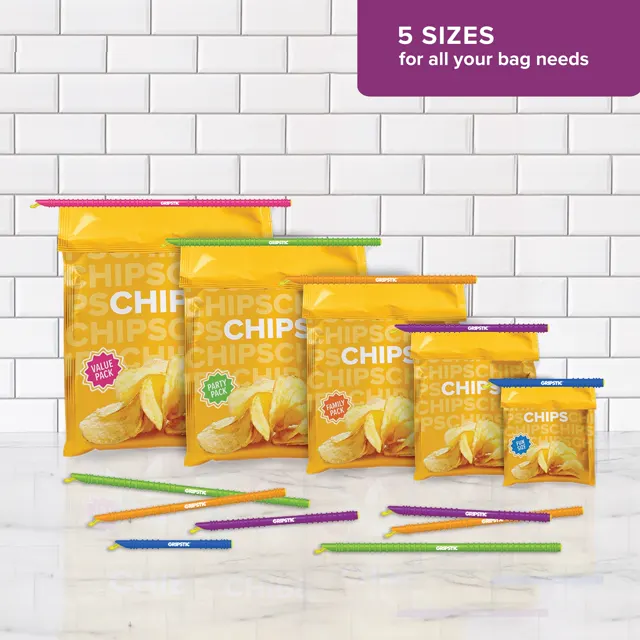
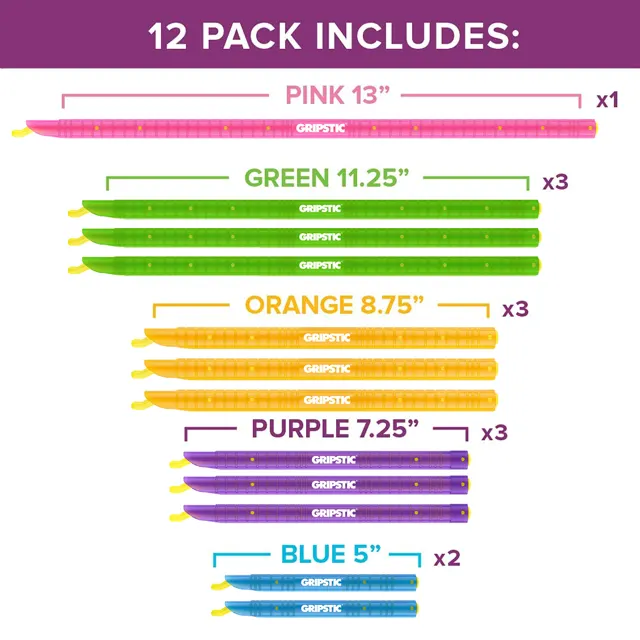
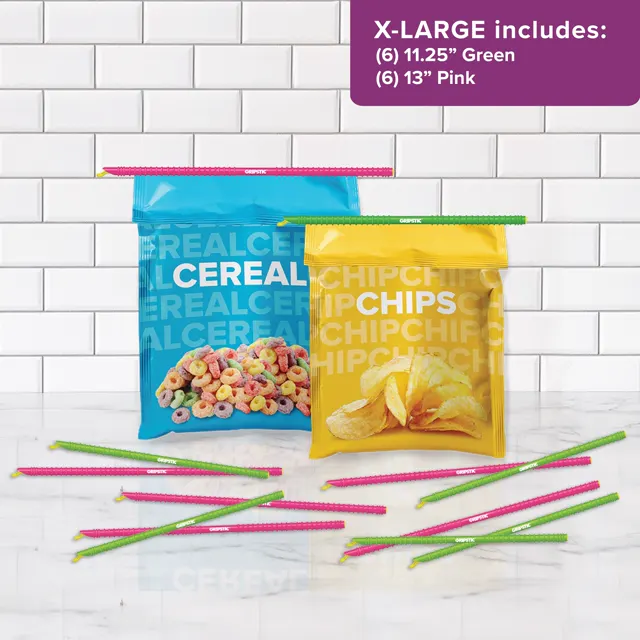
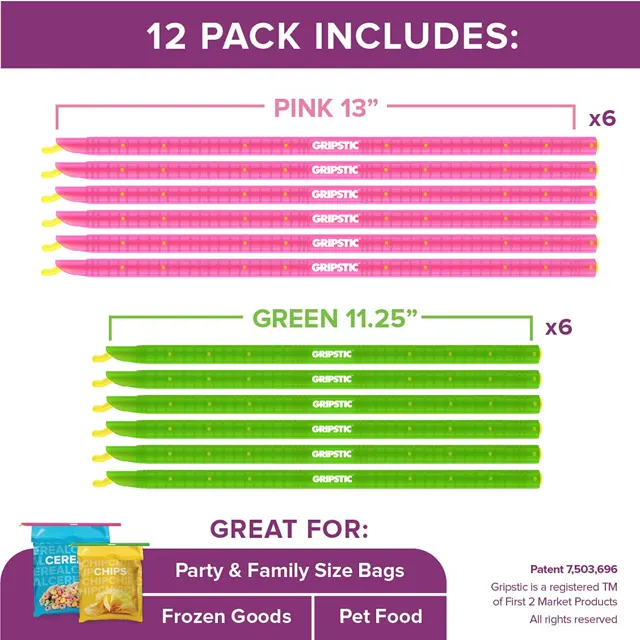
- Fold the top over once and seal the full width. A GRIPSTIC clamps the fold edge to edge, which is what makes the seal airtight.
- Store snacks somewhere cool and dark, away from the stove, the dishwasher, and sunny windows.
- Keep cereal sealed inside its liner, then close the box.
- Buy sizes you'll finish, or split big bags and seal each one.
- Freeze what you won't eat soon: bread, nuts, and tortillas freeze well when sealed.
Can you fix stale chips, crackers, or cereal?
Often, yes. University of Missouri Extension suggests spreading stale cereal, crackers, or snacks on a baking sheet and heating them in a hot oven for a few minutes, as long as they don't have an off flavor. Let them cool completely before sealing them again, or the warm air inside the bag will soften them.
Recrisping fixes moisture, not oxidation. If a snack tastes rancid, heat won't bring it back.
Do clips, rubber bands, or containers work as well?
Containers work if you have the shelf space and don't mind pouring. Clips and rubber bands are the weak point: a clip pinches the bag in one spot and leaves the corners open, and a rubber band rarely closes the fold completely. We compare them in do GRIPSTIC bag sealers really work?
Frequently asked questions
- Why do chips go stale so fast after opening?
- They absorb moisture from the air, which softens the starches that make them crunchy. Humid air speeds this up.
- Are stale chips safe to eat?
- Usually. Staleness is a quality change. Throw them out if they smell rancid, show mold, or have pantry bugs.
- Can you make stale chips crispy again?
- Often. Spread them on a baking sheet, heat them in a hot oven for a few minutes, and let them cool before sealing.
- Should I keep bread in the fridge?
- No. Bread goes stale faster in the refrigerator. Keep it sealed at room temperature for a few days, or freeze it.
More in our FAQ and how-to guide.
Sources
- USDA Food Safety and Inspection Service, Food Product Dating
- Kansas State Research and Extension, Safe Food Storage: The Cupboard (MF3131)
- University of Missouri Extension, food storage guide (MP557)
Shop the sealers in this article