How to Store a Big Bag of Rice in Hawaii (and Keep Bugs and Humidity Out)
By GRIPSTIC Hawaii 3 min read
Short answer: Keep a big bag of rice sealed airtight between uses, in a cool, dry spot off the floor. Seal the top of the bag across its full width after every scoop, or pour it into airtight containers. Sealing keeps out humid air and pantry bugs, and it stops the bag from spilling.
Key takeaways
- Dry white rice keeps a long time if it stays dry and sealed; humidity and bugs are what ruin it.
- Brown rice keeps its natural oils, so it goes rancid much sooner than white rice. Store it cool, or in the fridge or freezer.
- Seal the bag edge to edge after every use; a loose roll or a clip leaves gaps for air and bugs.
- Store rice off the floor, away from the stove, sink, and sunny windows.
- Measure the top of your bag before buying a sealer for it.
Why does rice go bad in a Hawaii kitchen?
White rice itself is very stable. What ruins it is moisture and pests. Island air is warm and humid most of the year, and an open bag of rice soaks up that moisture, which can lead to clumping, off smells, and mold. Open bags also invite pantry pests like weevils and pantry moths.
Brown rice is different: it keeps the bran layer with its natural oils, so it turns rancid much sooner than white rice even when it's dry. Keep brown rice in a cool spot, or in the fridge or freezer if you go through it slowly.
What's the best way to seal a big bag of rice?
You have two good options: keep the rice in its bag and seal the top airtight after every scoop, or pour it into airtight containers. Keeping it in the bag is the easiest for 20 lb and bigger bags, which rarely fit in one container.
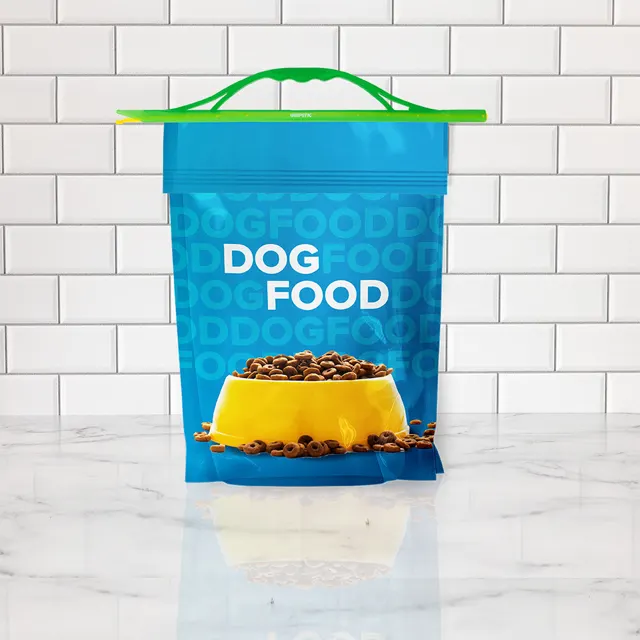
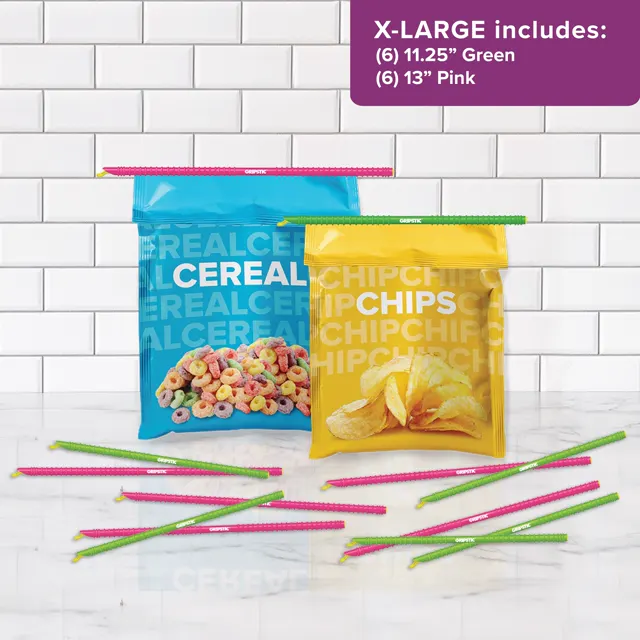
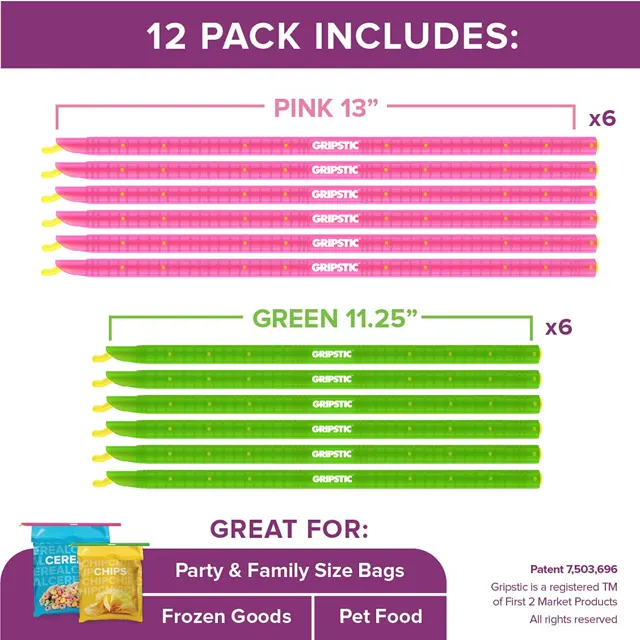
To seal the bag, fold the top over once, press out the air, and slide a sealer across the full width. Our Heavy Duty Handles were made for exactly this: a heavy-duty GRIPSTIC with a built-in handle, so you can seal the rice bag shut and carry it. The 14" and 17" handles seal bags up to about 14" and 17" wide, so measure the top of your bag first.
Rolling the top down, using a clothespin, or tying the bag leaves gaps at the corners where air and bugs get in.
How do you keep bugs out of rice?
- Check new bags for holes, webbing, or moving specks before you open them.
- Keep every bag sealed airtight between uses.
- Many households freeze a new bag of rice or flour for a few days before storing it, to kill any insect eggs already inside. Let it come back to room temperature while still sealed so condensation doesn't wet the rice.
- Wipe up spilled grains and flour; crumbs on shelves attract pests.
- If you find bugs, throw out the infested food, vacuum and wipe the shelf, and check nearby bags.
Where should you store a rice bag?
Somewhere cool, dry, and dark: a pantry or low cabinet, raised off the floor, away from the stove, dishwasher, sink, and sunny windows. Heat and moisture both shorten its life. Our Hawaii humidity guide covers the rest of the pantry.
Is buying rice in bulk worth it?
Usually, yes, if it stays fresh until you finish it. A big bag costs less per pound, but a bag that gets damp or buggy halfway through erases the savings. See how to save money on groceries in Hawaii for more on when bulk pays off.
Frequently asked questions
- How do you keep a big bag of rice fresh?
- Seal the top airtight across its full width after every use and store it in a cool, dry place off the floor.
- Should rice be stored in the bag or a container?
- Either works if it's airtight. Big 20 lb and larger bags are easiest to keep in the bag with a full-width sealer like a GRIPSTIC Heavy Duty Handle.
- How do I keep weevils out of my rice?
- Check new bags, keep them sealed airtight, wipe up spills, and consider freezing a new bag for a few days before storing it.
- Does brown rice go bad faster than white rice?
- Yes. Brown rice keeps its natural oils, which turn rancid sooner. Store it cool, or in the fridge or freezer.
- What size GRIPSTIC fits a rice bag?
- Measure the top of the bag. The Heavy Duty 14" and 17" Handles seal bags up to about 14" and 17" wide.
More in our FAQ and how-to guide.
Sources
- USDA Food Safety and Inspection Service, FoodKeeper
Shop the sealers in this article