How to Save Money on Groceries in Hawaii in 2026: 10 Habits That Work
By GRIPSTIC Hawaii 4 min read
Short answer: Hawaii groceries cost about 36% more than the national average, so the biggest savings come from wasting less of what you already buy, not just from coupons. Plan meals around what's in your pantry, buy bulk only what you can store well, seal and freeze extras, and buy local produce in season.
Key takeaways
- Hawaii's grocery prices are about 36% above the national average, the highest of any state (C2ER, Q2 2026).
- Honolulu-area grocery prices rose 3.3% in the year to March 2026 (BLS).
- Nationally, wasted food costs a family of four about $2,913 a year (EPA), and more at Hawaii prices.
- The cheapest food is the food you already bought. Storage and planning beat coupon-clipping.
Why are groceries so expensive in Hawaii?
Most of the food eaten in Hawaii is shipped in, and every step of getting it here adds cost: ocean and air freight, fuel, refrigerated storage, and inter-island transport. Those costs show up on the shelf.
The result is the highest grocery prices in the country. The Council for Community and Economic Research's Cost of Living Index put Hawaii's groceries about 36% above the national average in the second quarter of 2026. And prices are still rising here: the Bureau of Labor Statistics reported Honolulu-area food-at-home prices up 3.3% from a year earlier in March 2026, while the USDA forecast about 2.4% for the nation in 2026.
Habits 1 to 3: How do you plan to spend less?
Most overspending happens before you reach the store.
- Shop your kitchen first. Check the pantry, fridge, and freezer and plan the week's meals around what's already there.
- Shop with a list, and stick to it. Unplanned buys are the ones most likely to go to waste.
- Plan a leftovers night each week so cooked food gets eaten instead of forgotten.
Habits 4 to 6: How do you buy smarter?
- Compare unit prices (price per ounce), not package prices. Bigger isn't always cheaper.
- Try store brands for pantry staples like rice, flour, cereal, and frozen vegetables.
- Buy local fruit and vegetables in season. Produce grown on the islands doesn't carry the cost of shipping from the mainland, and farmers markets and roadside stands often have the best prices on what's abundant that week.
Is buying in bulk worth it in Hawaii?
Warehouse-store bulk can save real money here, but only if you finish it. A giant bag of chips, rice, or dog food that's open for weeks in humid air can go stale or attract pests before it's used up, and then the savings are gone.
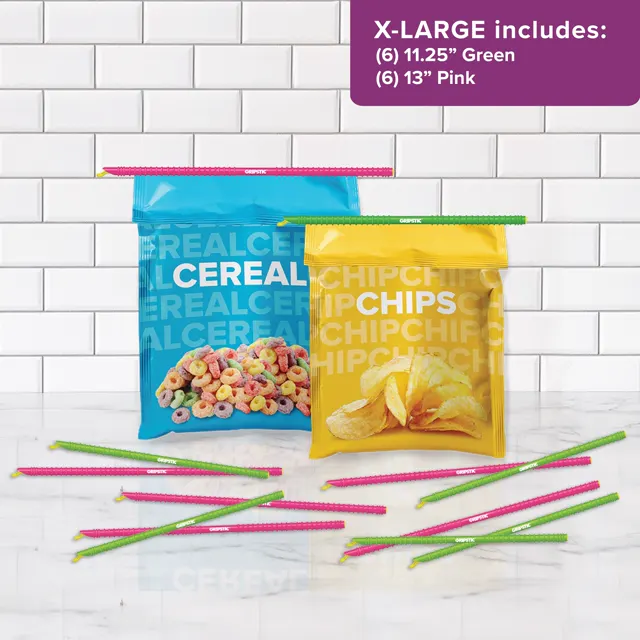
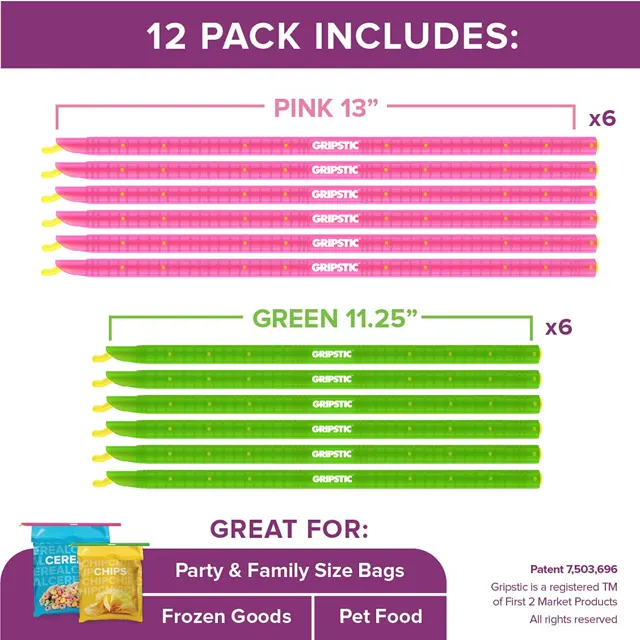
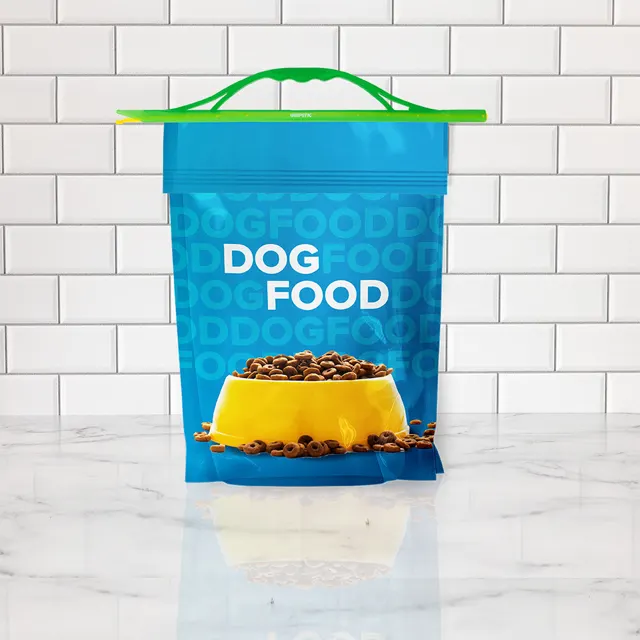
The fix is storage. Seal big bags completely after every use; a 13″ GRIPSTIC or the X-Large set covers wide bags, and a Heavy Duty Handle seals rice and pet-food bags and gives you a handle to carry them. Or split bulk packs into smaller sealed bags and freeze what you won't use soon.
Habits 7 to 10: How do you make food last?
This is where Hawaii families can save the most, because every wasted bag here costs about a third more than it would on the mainland. Our breakdown of what wasted food really costs shows the numbers.
- Seal every open bag airtight. Humid island air makes open snacks stale fast; see why chips and cereal go stale.
- Use your freezer. Bread, meat, tortillas, and leftovers freeze well in fully sealed bags.
- Rotate: put new groceries behind the old so the oldest gets eaten first.
- Track what you throw away for two weeks. Knowing your number is the fastest way to change it. Try our food waste calculator for a starting estimate.
What's the single biggest money saver?
Wasting less. Coupons and sales save a few dollars at a time, but the EPA's estimate of $2,913 a year in wasted food for a family of four (more at Hawaii prices) is a bigger number than most families save any other way. Planning what you buy, storing it right, and eating it before it goes bad is the most reliable raise your grocery budget can get.
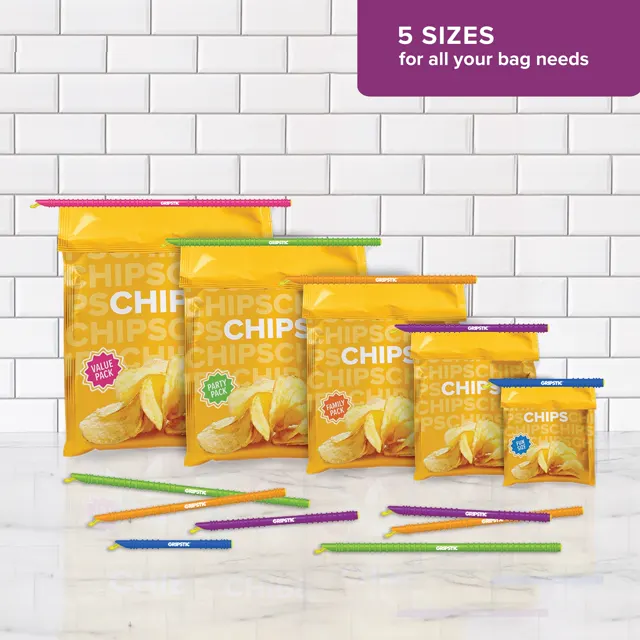
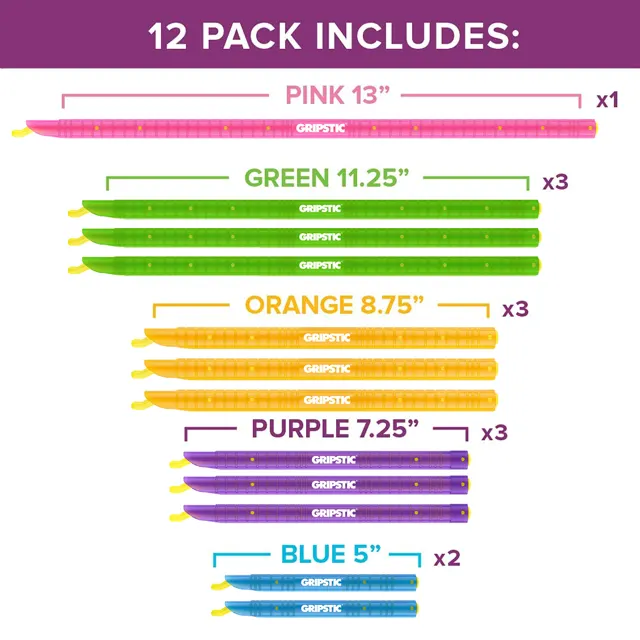
If you're starting from scratch, the 12-Pack Assorted Set covers every bag in the pantry, and the size guide shows which sealer fits what.
Frequently asked questions
- How much more expensive are groceries in Hawaii?
- About 36% above the national average in the second quarter of 2026, according to the C2ER Cost of Living Index, the highest of any state.
- What's the best way to save money on groceries in Hawaii?
- Waste less of what you buy: plan meals, shop with a list, seal and freeze food properly, and buy local produce in season.
- Is Costco bulk buying worth it in Hawaii?
- Only for food you'll finish. Seal big bags after every use, or split and freeze them, so bulk savings don't go stale.
- Are grocery prices still rising in Hawaii?
- Yes. Honolulu-area food-at-home prices were up 3.3% year over year in March 2026, per the Bureau of Labor Statistics.
More in our FAQ and how-to guide.
Sources
- Council for Community and Economic Research (C2ER), Cost of Living Index, Q2 2026
- U.S. Bureau of Labor Statistics, Consumer Price Index, Urban Hawaii, March 2026
- USDA Economic Research Service, Food Price Outlook, September 2026 update
- U.S. Environmental Protection Agency, Estimating the Cost of Food Waste to American Consumers (2025)
Shop the sealers in this article