How to Prevent Freezer Burn: What Causes It and How to Stop It
By GRIPSTIC Hawaii 3 min read
Short answer: Freezer burn happens when cold, dry freezer air reaches the surface of frozen food and draws moisture out of it, leaving dry, grayish-brown, leathery spots. The USDA says freezer-burned food is still safe to eat, but the texture and flavor suffer. To prevent it, keep air away from the food: press the air out, seal every bag fully, and keep the freezer at 0°F.
Key takeaways
- Freezer burn is moisture loss where air touches frozen food.
- According to the USDA, freezer-burned food is safe to eat; cut away the dry spots before or after cooking.
- Food kept constantly at 0°F stays safe, but quality drops the longer it's stored.
- Prevention comes down to air: squeeze it out and seal bags edge to edge.
- Half-used bags of frozen vegetables, berries, and chicken are the most common victims, because they get opened and closed.
What causes freezer burn?
Frozen food still loses moisture. Ice crystals on the surface of the food turn straight into water vapor in the dry freezer air (a process called sublimation), and that vapor freezes again on the inside of the bag or the freezer walls. The spot it left behind dries out. Over weeks, those spots become the tough, discolored patches we call freezer burn.
The more air touches the food, the faster it happens. That's why a loosely closed bag, or one with an open corner, burns faster than a bag sealed with the air pressed out.
Is freezer-burned food safe to eat?
Yes. The USDA Food Safety and Inspection Service says freezer burn does not make food unsafe; it just makes it dry in spots. You can cut those areas away before or after cooking. Heavily burned food may not be worth eating for quality reasons, but it won't make you sick from the freezer burn itself.
How do you prevent freezer burn?
Every tip comes back to keeping air off the food:
- Press out as much air as you can before you close a bag.
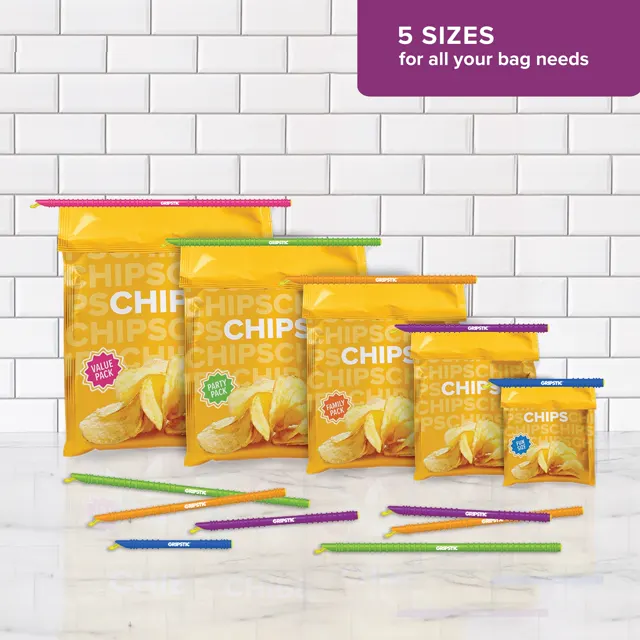
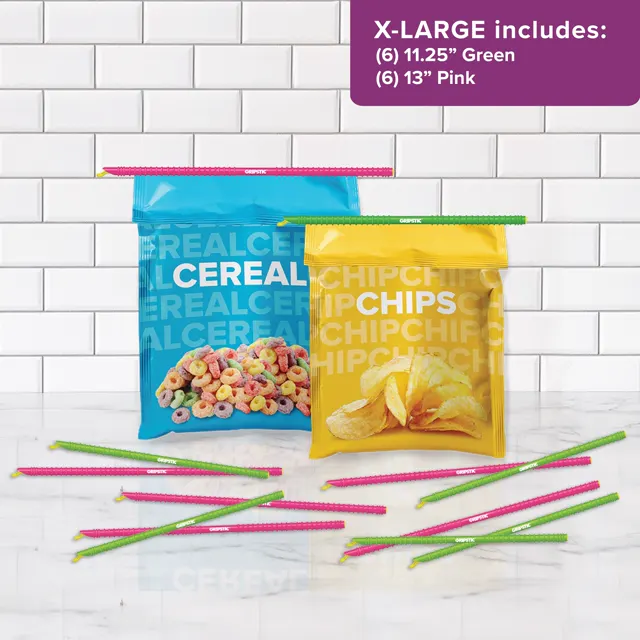
- Seal the bag across its full width, not just in the middle. A GRIPSTIC clamps the bag edge to edge for an airtight seal, and it works in the freezer.
- Wrap meat tightly in plastic wrap or freezer paper before bagging it.
- Use the right size bag or container so there's little empty space.
- Keep the freezer at 0°F (−18°C) and avoid leaving the door open.
- Cool hot food before freezing so it doesn't raise the temperature of everything around it.
- Label bags with the date and eat the oldest food first.
What about bags you open again and again?
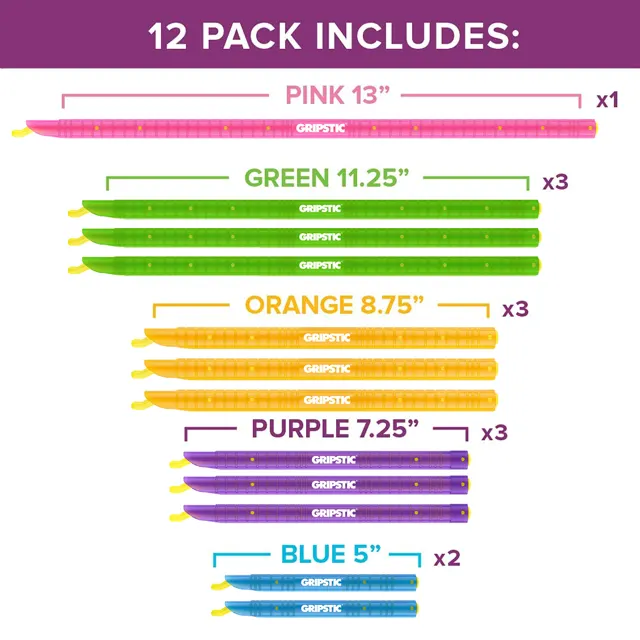
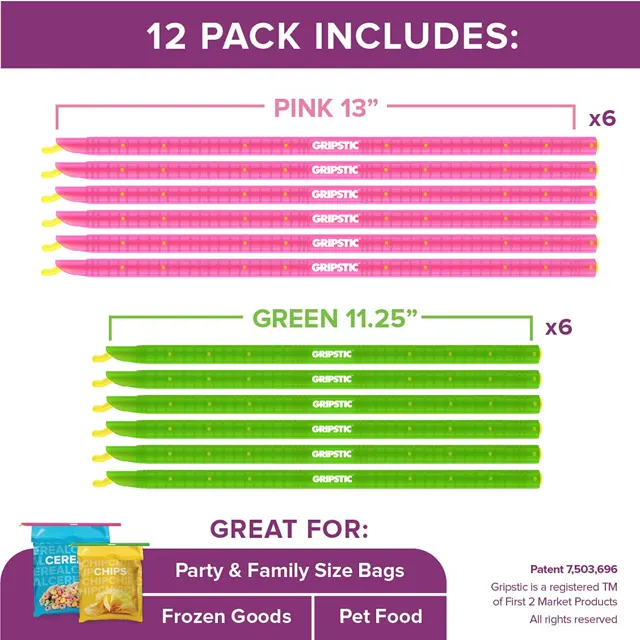
Store bags of frozen vegetables, fruit, shrimp, nuggets, and fries get opened every few days. Each time, air gets in, and a twist or a clip usually leaves the corners open. Fold the top over once, press out the air, and slide a GRIPSTIC across it. Our size guide shows which length fits which bag; most frozen vegetable bags take the 11.25".
How long does frozen food keep its quality?
Food held at 0°F stays safe indefinitely, the USDA says, but quality fades over time. Freezer burn speeds that up. Plan to use most meats, bread, and frozen vegetables within a few months and check the USDA's FoodKeeper guidance for specific foods.
Freezer burn is one of the main ways good food gets thrown out. See what wasted food costs a family.
Frequently asked questions
- What causes freezer burn?
- Air. Moisture leaves the surface of frozen food and dries it out wherever air touches it, leaving dry, discolored spots.
- Can you eat freezer-burned food?
- Yes. The USDA says freezer burn doesn't make food unsafe. Cut away the dry spots before or after cooking.
- What temperature should a freezer be?
- 0°F (−18°C) or colder. Food held constantly at that temperature stays safe.
- Do bag clips prevent freezer burn?
- Not well. Most clips pinch one spot and leave the corners open to air. A sealer that closes the bag edge to edge, like GRIPSTIC, keeps air out across the full width.
More in our FAQ and how-to guide.
Sources
- USDA Food Safety and Inspection Service, Freezing and Food Safety
- USDA Food Safety and Inspection Service, FoodKeeper
Shop the sealers in this article