How Much Money Does Wasted Food Cost Your Family? The 2026 Numbers
By GRIPSTIC Hawaii 5 min read
Short answer: About $728 per person a year, according to a 2025 EPA analysis, or $2,913 for a household of four. That's more than 11% of an average family's food budget. In Hawaii, where groceries cost about a third more than the national average, the same habits cost even more.
Key takeaways
- The EPA estimates wasted food costs each American $728 a year, or $2,913 for a family of four, using 2023 retail prices.
- That's more than 11% of what an average household of four spends on food in a year.
- USDA forecasts grocery prices up about 2.4% in 2026, so every wasted bag costs a little more each year.
- Hawaii grocery prices run about 36% above the national average, which makes waste here more expensive.
- Most waste is preventable with a few habits: buy what you'll use, seal what you open, freeze extras, and eat the oldest food first.
How much food does the average family waste?
In 2025 the U.S. Environmental Protection Agency published its updated estimate of what wasted food costs American consumers. Using USDA data on how much food is lost at the consumer level and 2023 retail prices from NielsenIQ, the EPA put the cost at $728 per person per year. For a household of four, that's $2,913 a year, or more than 11% of the household's annual food spending.
The EPA calls its own figure conservative. It's based on grocery-store prices, and food bought at restaurants and takeout counters usually costs more than the same food bought at the store. And wasted food doesn't just cost money at home: the EPA reports that more food reaches U.S. landfills than any other single material in household trash.
Put another way, a family of four is throwing away roughly $56 a week. That's a full bag of groceries, every week, that nobody eats.
Why does wasted food cost more in 2026?
Food prices keep climbing, just more slowly than they did a few years ago. In its September 2026 Food Price Outlook, the USDA Economic Research Service forecast grocery (food-at-home) prices up about 2.4% for the year and all food prices up about 2.9%. Some categories swing much harder: the same forecast had beef and veal up sharply while egg prices fell.
When prices rise, the same amount of waste costs more. A bag of chips that goes stale half-full, a box of cereal that goes soft, a freezer bag of chicken ruined by freezer burn: each one is a slightly bigger loss than it was last year.
What does wasted food cost in Hawaii?
Hawaii has the most expensive groceries in the country. In the Council for Community and Economic Research's Cost of Living Index for the second quarter of 2026, Hawaii's grocery prices came in about 36% above the national average, the highest of any state. The Bureau of Labor Statistics also reported Honolulu-area food-at-home prices up 3.3% from a year earlier in March 2026, faster than the national rate.
Our rough estimate: if a Hawaii family of four wastes the same share of food as the national average, at Hawaii prices that waste is worth close to $4,000 a year ($2,913 × 1.36). That's an estimate, not a measured number, but the direction is clear. Every bag that goes stale here costs more than it would on the mainland.
Humidity adds to the problem. Crisp snacks go stale by absorbing moisture from the air, and island air is warm and humid most of the year. We explain the science in why chips and cereal go stale.
What kinds of food waste can you actually stop?
Most household waste falls into a few patterns, and each has a simple fix:
- Spoilage: produce and leftovers that sit too long in the fridge. Fix: plan meals before you shop and eat the oldest food first.
- Staling: open bags of chips, crackers, cereal, and coffee that go soft or flat. Fix: squeeze out the air and seal the bag edge to edge after every use.
- Freezer burn: dry, discolored spots on frozen food where air reached it. The USDA Food Safety and Inspection Service notes freezer-burned food is still safe, but the quality is lost. Fix: press out air and seal freezer bags fully.
- Overbuying: bulk packs that don't get finished. Fix: buy bulk only for foods you'll use, and store big bags so they stay sealed.
How can you cut food waste this week?
You don't need a new system. Start with five habits and track what you toss for two weeks, so you can see what changed.
- Check the pantry, fridge, and freezer before you shop, and write a list.
- Put new groceries behind the old ones so the oldest gets eaten first.
- Seal every open bag airtight. Our Hawaii humidity guide covers where to store them.
- Freeze bread, meat, and leftovers you won't finish in a few days, in fully sealed bags.
- Recrisp stale chips and crackers in a hot oven for a few minutes instead of throwing them out.
Is sealing your bags really worth it?
Here's simple math (our illustration, not a study). If a $5 bag of chips goes stale half-full, that's $2.50 in the trash. Do that once a week and it's $130 a year on chips alone, before cereal, coffee, or frozen food.
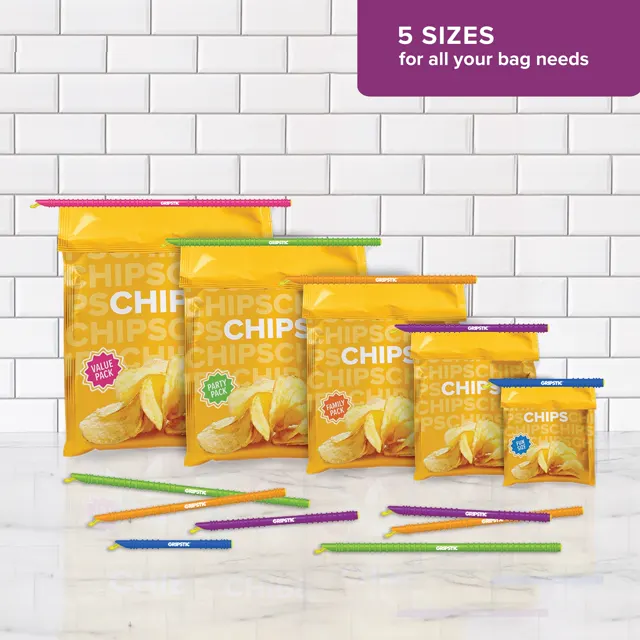
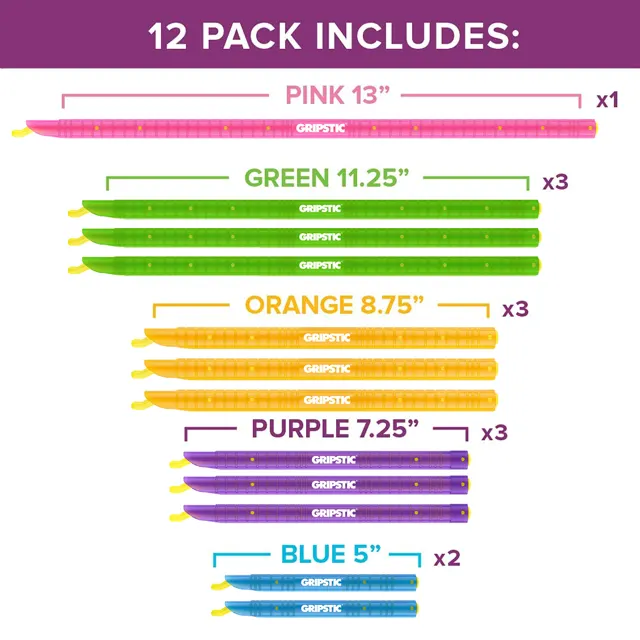
A GRIPSTIC 12-Pack Assorted Set costs less than ten of those half-bags and lasts for years; every GRIPSTIC is covered by our Lifetime Guarantee. To see your own number, try the food waste calculator, and use the size guide to match sealers to your bags.
Frequently asked questions
- How much money does the average family waste on food?
- The EPA estimates $2,913 a year for a household of four ($728 per person), based on 2023 retail prices. That's more than 11% of an average family's food budget.
- Is food waste worse in Hawaii?
- It costs more. Hawaii grocery prices run about 36% above the national average, so the same amount of waste is worth more, and humid air makes open snacks go stale faster.
- Are food prices still going up in 2026?
- Yes, more slowly than in past years. The USDA forecast grocery prices up about 2.4% in 2026, with big differences between categories.
- What's the easiest way to waste less food?
- Buy what you'll use, seal every open bag airtight, freeze extras before they spoil, and eat the oldest food first.
More in our FAQ and how-to guide.
Sources
- U.S. Environmental Protection Agency, Estimating the Cost of Food Waste to American Consumers (2025)
- USDA Economic Research Service, Food Price Outlook, September 2026 update
- Council for Community and Economic Research (C2ER), Cost of Living Index, Q2 2026
- U.S. Bureau of Labor Statistics, Consumer Price Index, Urban Hawaii, March 2026
- USDA Food Safety and Inspection Service, Freezing and Food Safety
Shop the sealers in this article